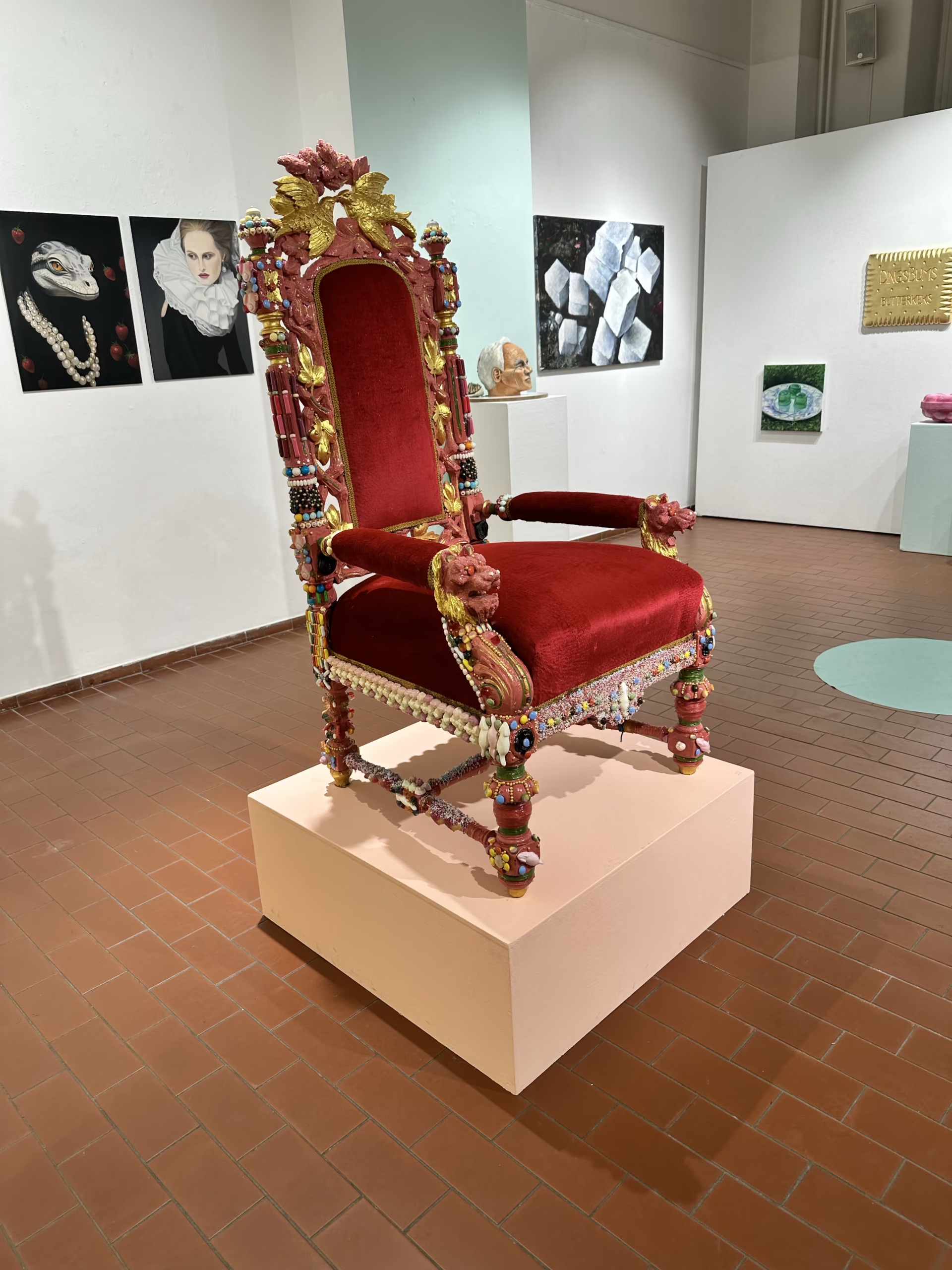
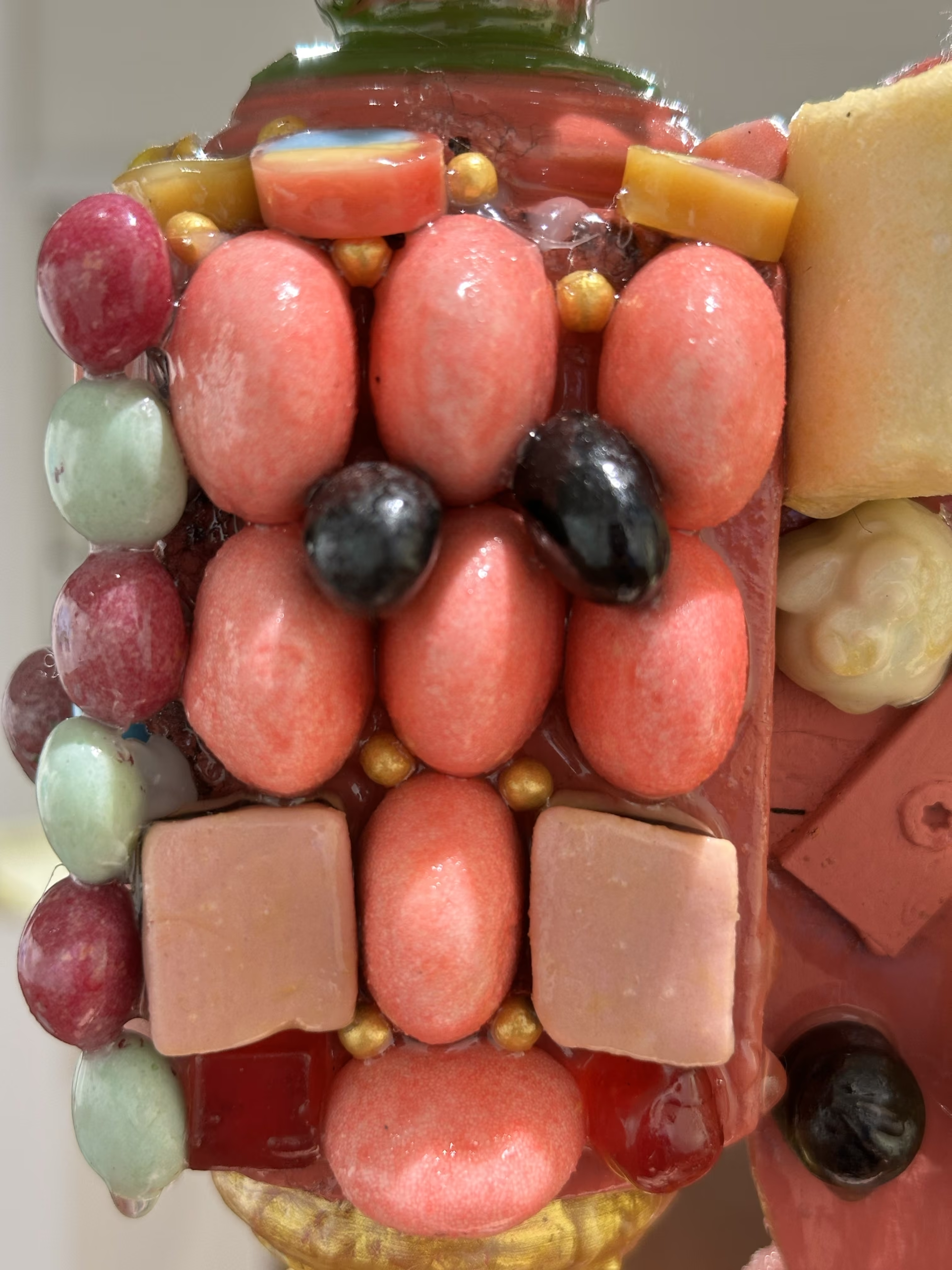
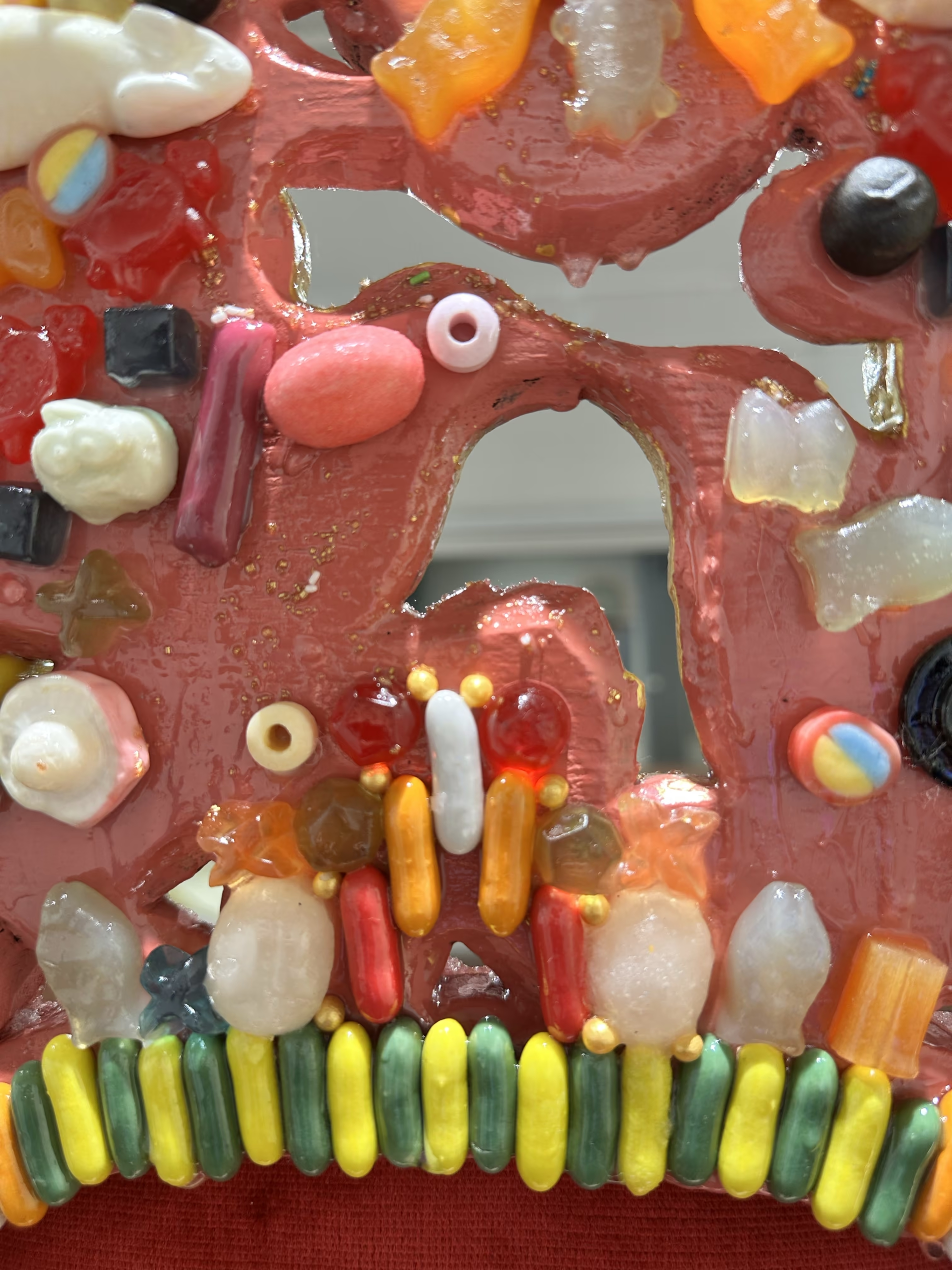
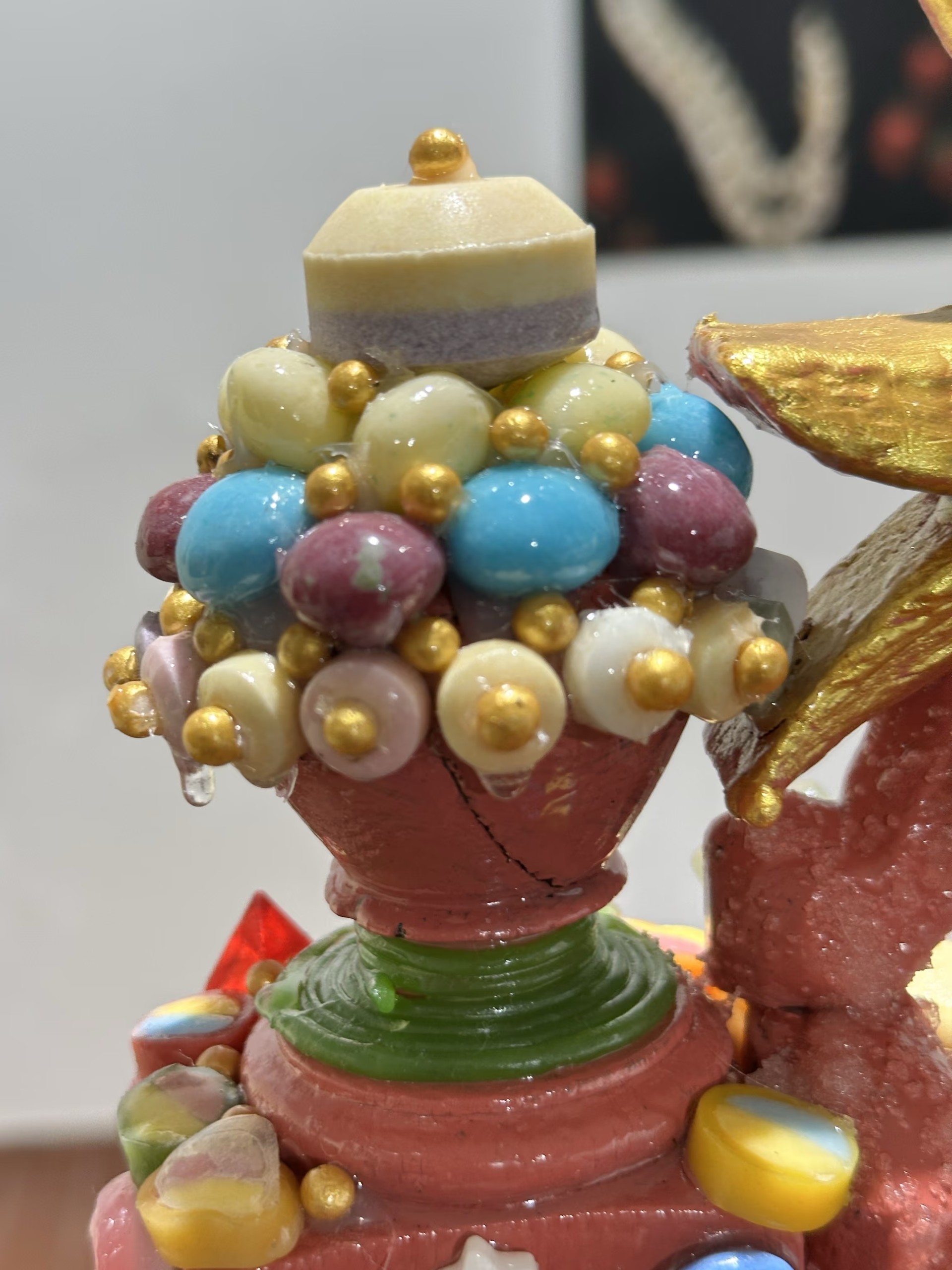
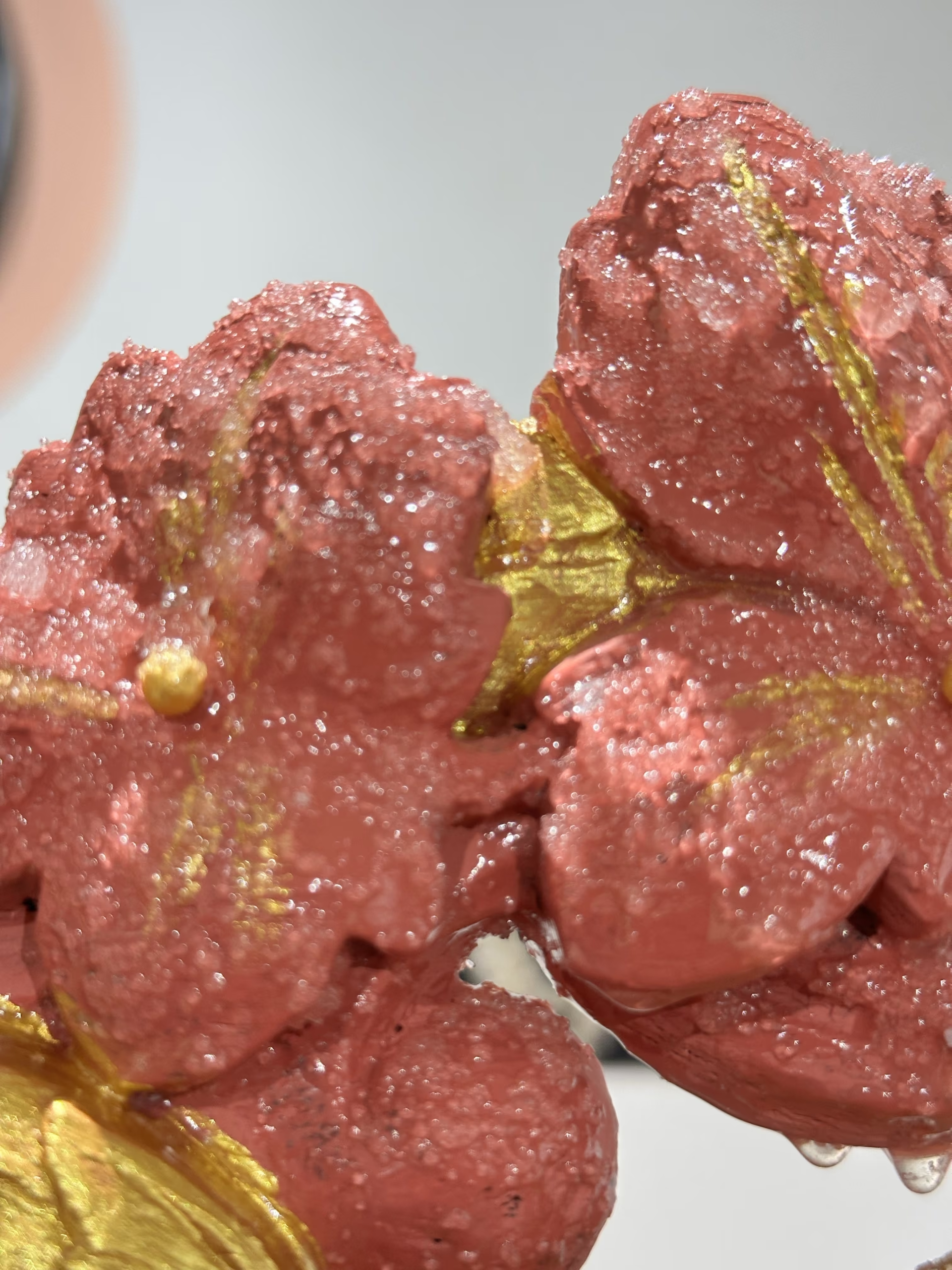
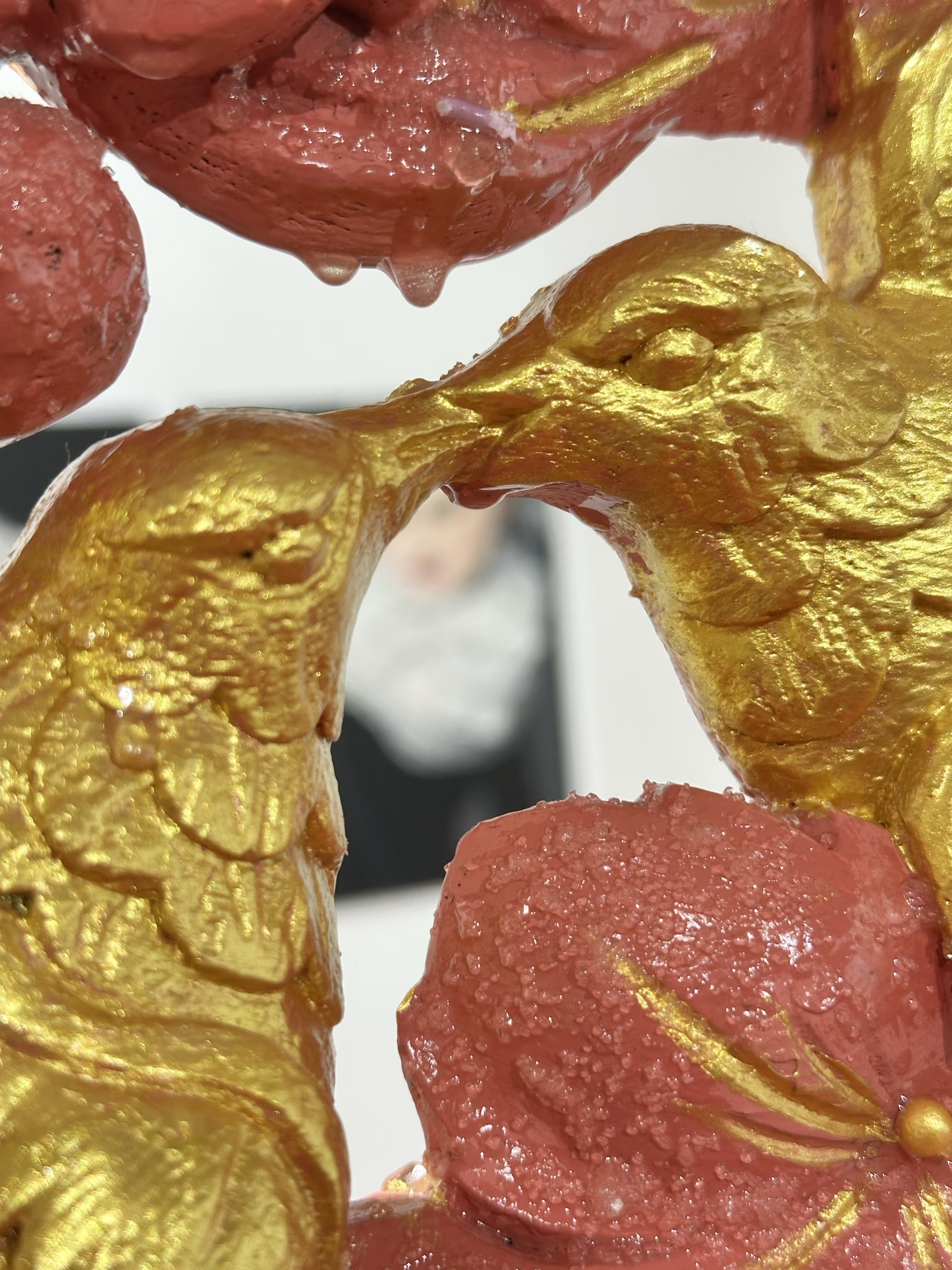
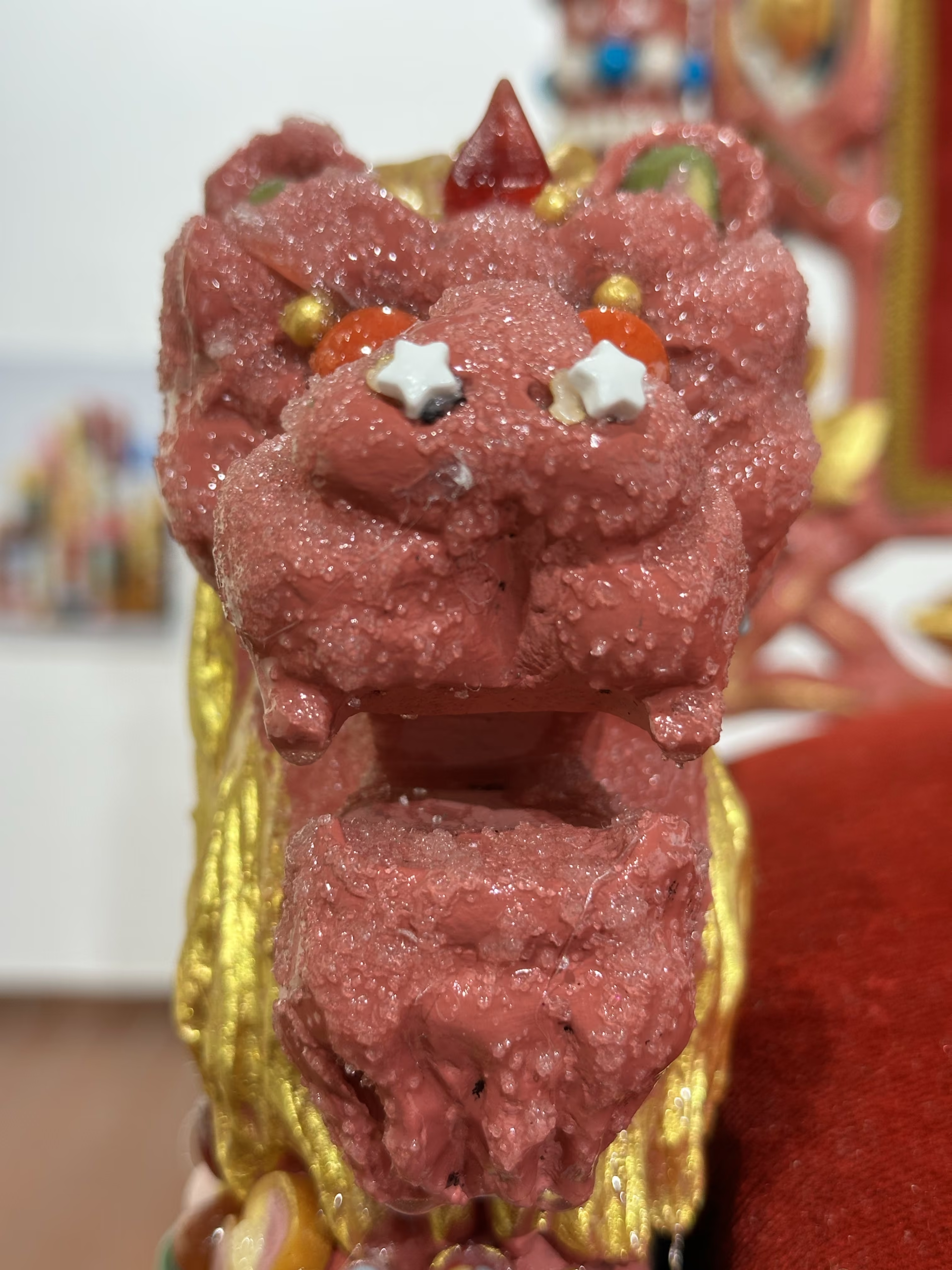
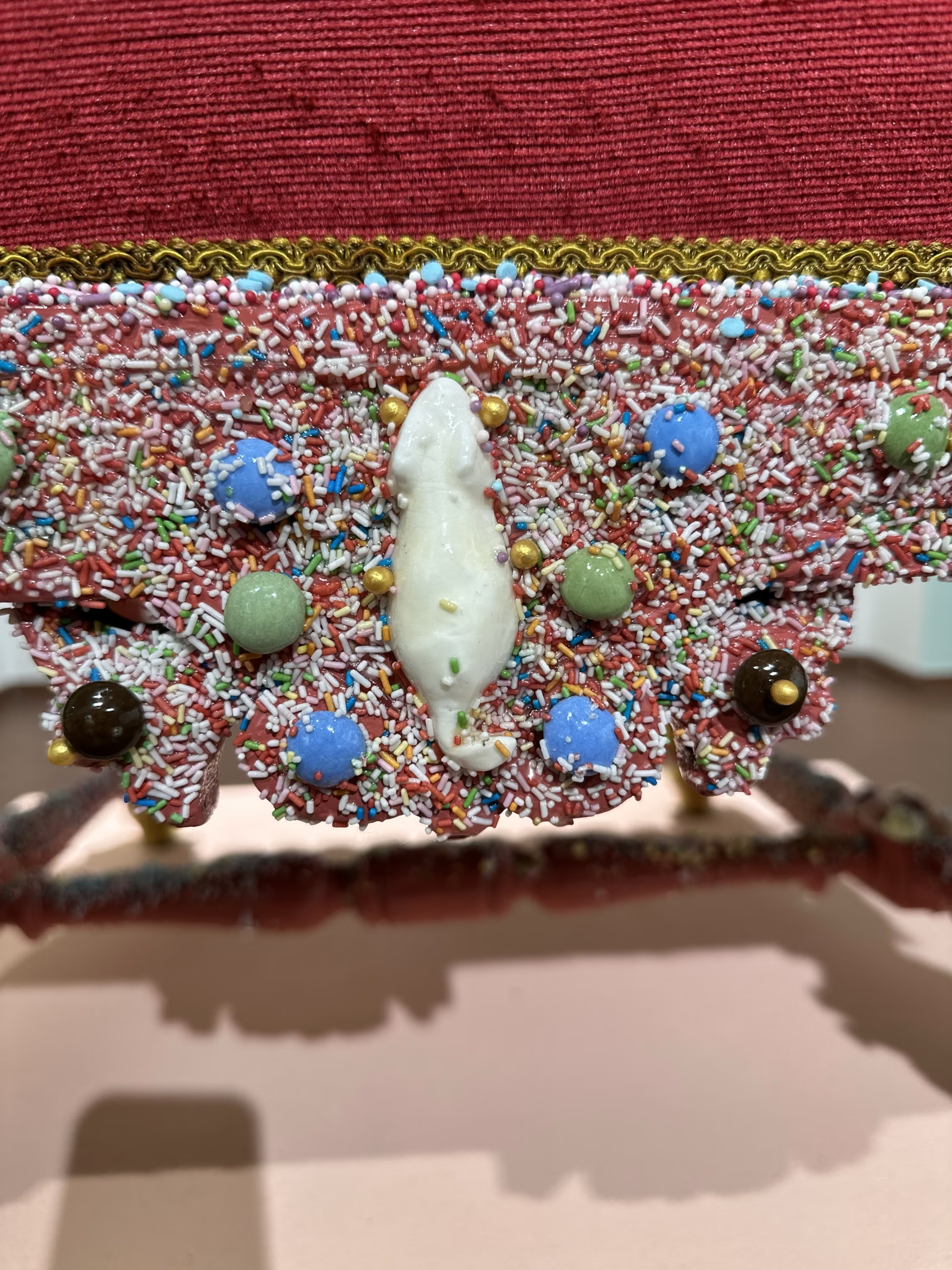
The art installation „Sweet as Sugar“ explores the contradictory history of sugar. What is now considered an everyday pleasure was once a symbol of wealth, power, and social status. At the same time, sugar is inseparably linked to colonialism, slavery, exploitation, and violence.
The installation deliberately embraces this tension. At first glance, it appears sensual, festive, and alluring. Yet beneath its seductive surface lies a deeper narrative: the story of a commodity whose sweetness was built upon human suffering.
Sugar as a Symbol of Wealth and Power
From the 16th to the 18th century, sugar was one of Europe’s most coveted luxury goods. Reserved for royalty and the wealthy elite, it represented prestige, influence, and economic power. Its prosperity, however, depended on colonial expansion, plantation economies, and the forced labor and enslavement of countless people.
The installation brings this historical contradiction into focus. It juxtaposes beauty with discomfort, inviting viewers to question the hidden histories behind seemingly ordinary consumer goods.
An Installation About Memory and Responsibility
„Sweet as Sugar“ encourages visitors to reconsider the history of sugar through a contemporary lens. The work examines the relationship between pleasure and violence, economic prosperity and human exploitation. It creates a space for reflection on historical responsibility, colonial structures, and their enduring impact on the present.
Rather than offering definitive answers, the installation invites dialogue and critical engagement with the complex intersections of consumption, history, and power.
„Sweet as Sugar“
By combining visual allure with historical inquiry, „Sweet as Sugar“ reveals the concealed history behind one of the world’s most familiar commodities. The installation reminds us that sweetness can symbolize not only pleasure, but also exploitation, manipulation, and colonial power. It is precisely this tension that gives the work its emotional and intellectual resonance, encouraging viewers to reflect on the enduring legacy of the past.